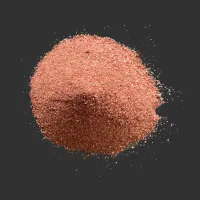
In the dynamic realm of agriculture and horticulture, the choice of fertilizer plays a pivotal role in optimizing crop health and yield. Among various options, granular ammonium sulfate, notably the caprolactam-grade high-purity variant, has gained significant traction among growers in export markets. This article explores the characteristics that distinguish granular ammonium sulfate from its regular counterpart, highlighting why it has become the preferred choice for both large-scale and commercial growers seeking enhanced performance and ease of use.
Modern growers face multifaceted challenges when selecting fertilizers—ranging from achieving uniform nutrient distribution to ensuring compatibility with mechanized application methods. Fertilizers of inconsistent quality or physical characteristics often cause uneven nutrient dosing, clogging issues, and ultimately subpar crop outcomes. As agricultural technology advances, there is an escalating demand for fertilizers that combine high nutrient purity with reliable physical properties such as particle uniformity and superior flowability.
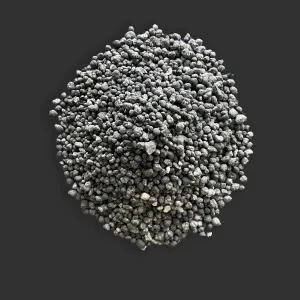
Granular ammonium sulfate in caprolactam-grade offers two standout physical properties:
These characteristics deliver practical benefits for growers who rely on automated systems and need fertilizer products that support operational efficiency. More importantly, the granules are free-flowing and resist caking—a common problem with traditional ammonium sulfate crystals or powders.
When compared side by side, high-purity granular ammonium sulfate surpasses regular ammonium sulfate in the following aspects:
| Feature | Granular Caprolactam-Grade | Regular Ammonium Sulfate |
|---|---|---|
| Purity | ≥ 99.0% high purity | Typically 90-95% |
| Particle Uniformity | Precisely sized, uniform granules | Irregular particles, prone to dust |
| Flowability | Excellent, reduces clogging | Poor flow, often clogs equipment |
| Ease of Application | Highly compatible with machinery | Challenging to use in mechanized spreaders |
A field trial conducted in California with tomato crops demonstrated that caprolactam-grade granular ammonium sulfate improved nitrogen availability by up to 15% more than regular ammonium sulfate, contributing to a 12% increase in yield. Similarly, a greenhouse horticulture study in the Netherlands showcased enhanced plant vigor and uniform growth when using the granular variant, attributing these gains to better nutrient solubility and uniform distribution.
Such empirical evidence affirms that growers not only benefit from the superior handling and application ease but also see measurable improvements in crop quality and output. This aligns perfectly with the core demands of export market growers, who prioritize both product consistency and maximum yield.
Growers in export-focused markets often face strict commercial timelines and quality benchmarks. High-purity granular ammonium sulfate addresses these needs by:
As a result, agricultural and horticultural professionals can rely on this fertilizer not just for nutrient supplementation but as a dependable input that supports operational efficiency and final crop excellence.
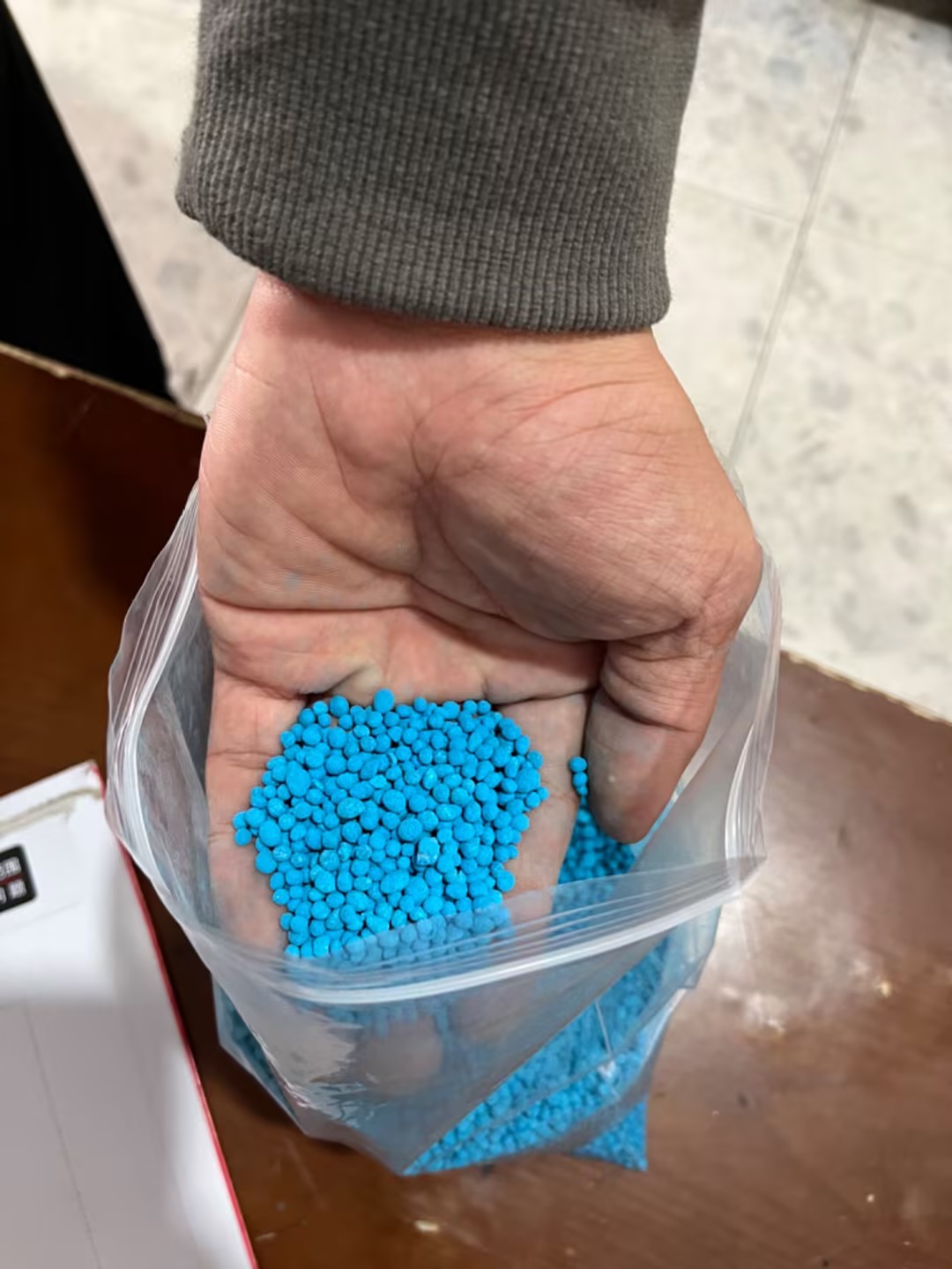
For growers aiming to elevate their fertilization strategies with a product that truly delivers measurable improvements, switching to granular caprolactam-grade ammonium sulfate is a logical decision. Whether your priority is enhanced crop yield, streamlined operations, or integrating a premium input for high-value horticulture crops, this fertilizer is engineered to meet your expectations.
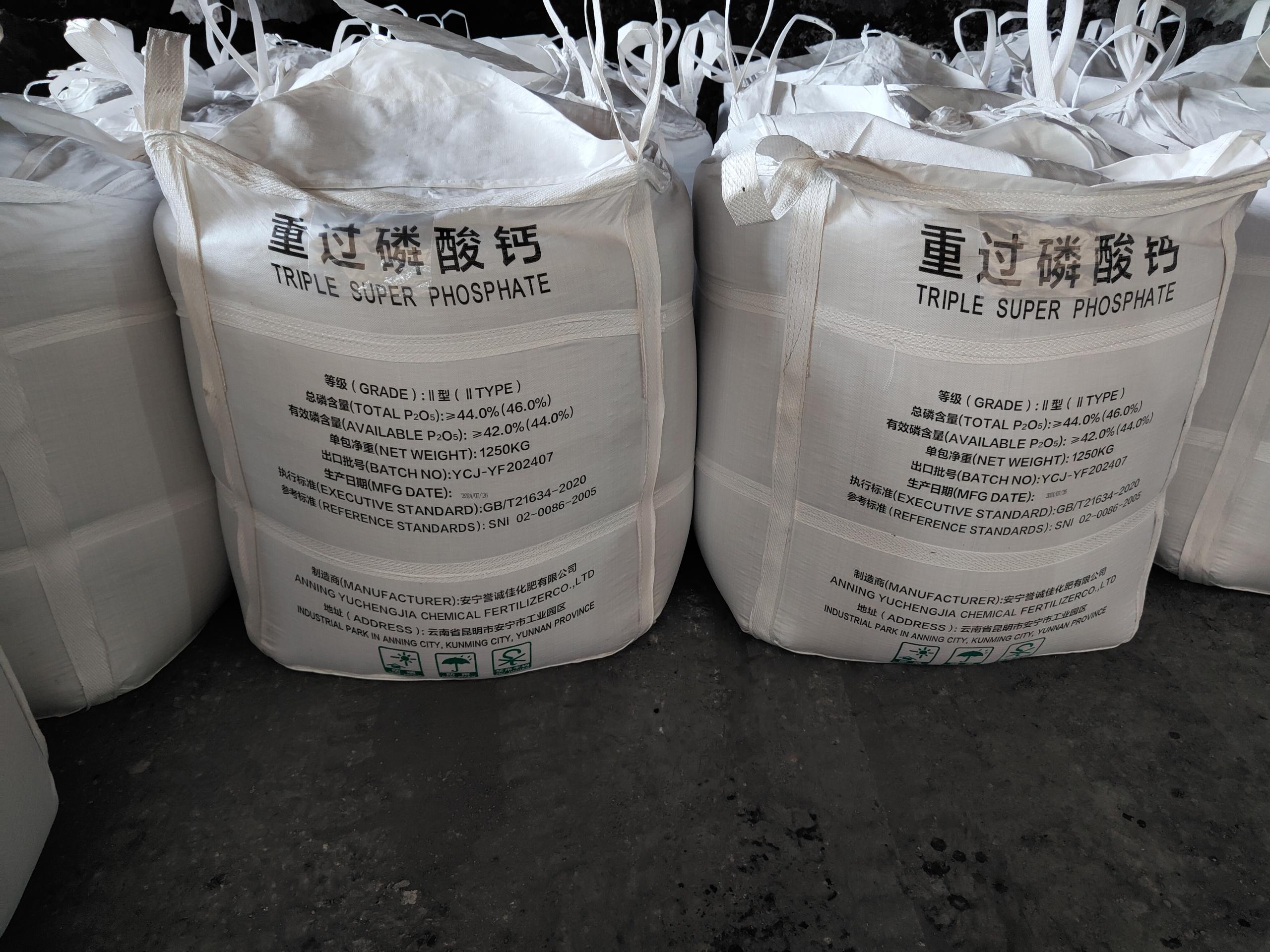
As global agricultural demands evolve, sourcing fertilizers that harmonize purity, functionality, and user-friendliness will remain essential. Granular ammonium sulfate in its premium form stands out as a fertilizer that fuels innovation on the field and fosters sustainable crop production.

 332
|
332
|
 NPK Fertilizer
14-14-14 Fertilizer
Flower Planting
Plant Nutrition
Fertilizer use
NPK Fertilizer
14-14-14 Fertilizer
Flower Planting
Plant Nutrition
Fertilizer use
.jpg?x-oss-process=image/resize,h_300,m_lfit/format,webp) 334
|
Nitrogen Fertilizer
Agricultural Production
sustainable development
334
|
Nitrogen Fertilizer
Agricultural Production
sustainable development
 86
|
Potassium chloride powder
INFER
Potash Fertilizer
Agricultural Production
Crop Growth
86
|
Potassium chloride powder
INFER
Potash Fertilizer
Agricultural Production
Crop Growth
.jpg?x-oss-process=image/resize,h_300,m_lfit/format,webp) 401
|
Granular Ammonium Sulfate (Caprolactam Grade)
Horticultural Market Fertilizer
High Yield and Quality Crops
401
|
Granular Ammonium Sulfate (Caprolactam Grade)
Horticultural Market Fertilizer
High Yield and Quality Crops
.jpg?x-oss-process=image/resize,h_300,m_lfit/format,webp) 403
|
plant growth
Sulfur-deficient soil
Photosynthesis
Sulfur Fertilizer
Sulfur
Stress resistance
Soil Improvement
Crop yield
403
|
plant growth
Sulfur-deficient soil
Photosynthesis
Sulfur Fertilizer
Sulfur
Stress resistance
Soil Improvement
Crop yield
).jpg?x-oss-process=image/resize,m_fill,h_200,w_200/format,webp)











.jpg?x-oss-process=image/resize,m_fill,h_300,w_300/format,webp)
).jpg?x-oss-process=image/resize,m_fill,h_300,w_300/format,webp)
.jpg?x-oss-process=image/resize,m_fill,h_300,w_300/format,webp)
.jpg?x-oss-process=image/resize,m_fill,h_300,w_300/format,webp)
.jpg?x-oss-process=image/resize,m_fill,h_400,w_400/format,webp)

.jpeg?x-oss-process=image/resize,m_fill,h_200,w_200/format,webp)