
.jpg?x-oss-process=image/resize,h_400,m_lfit/format,webp)
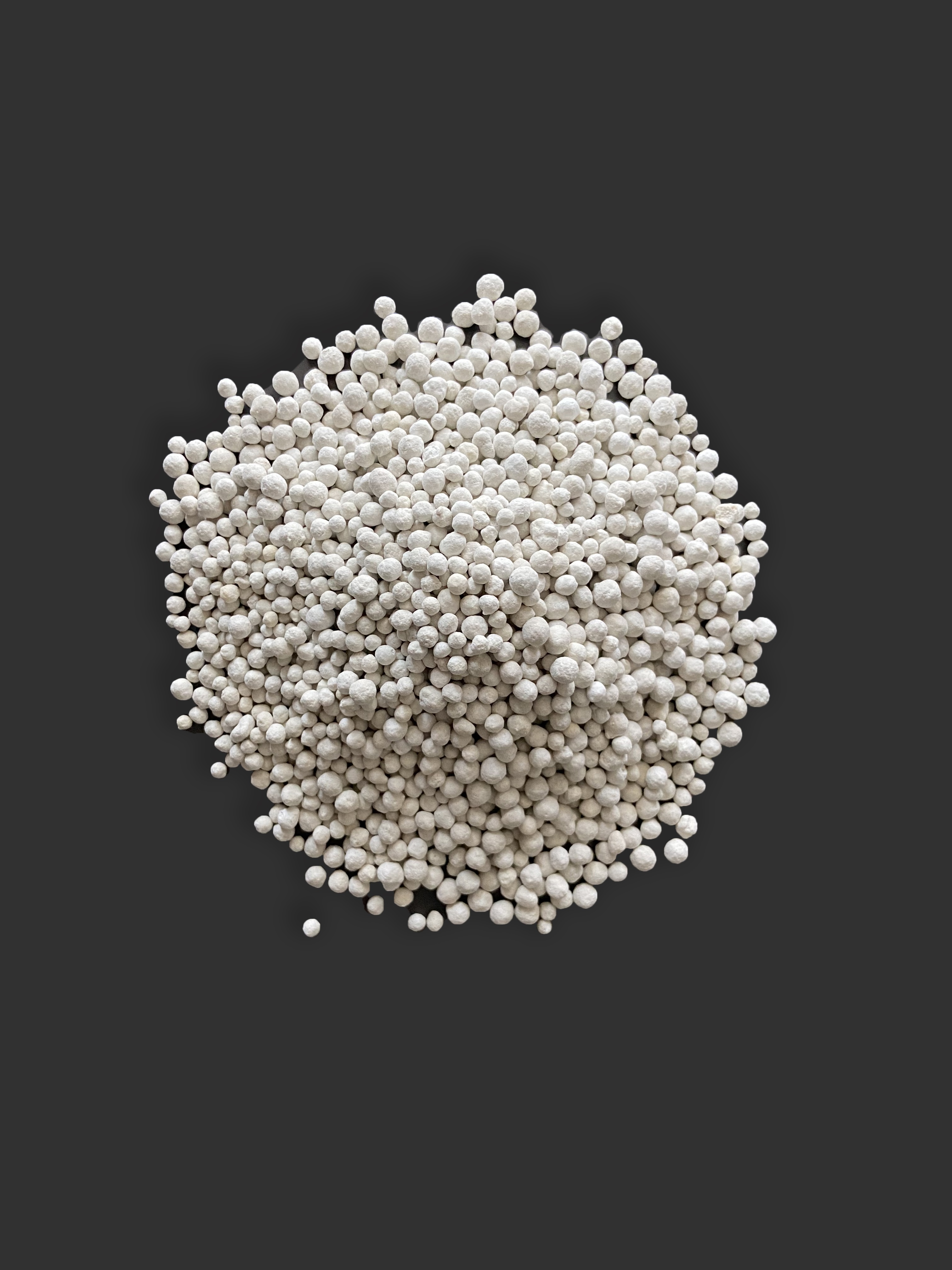
In modern agriculture, delivering precise nutrition is pivotal to boosting crop yields and quality. Industrial grade monoammonium phosphate (MAP) has emerged as a highly effective fertilizer that provides essential nitrogen and phosphorus in a balanced and readily available form. This article explores the nutrient composition of MAP, its superiority over conventional phosphate fertilizers, and its demonstrated benefits on diverse crops such as rice, maize, and fruit trees, especially in challenging acid soil environments.
Monoammonium phosphate is characterized by its dual supply of key nutrients: nitrogen (N) in the ammonium form and phosphorus (P) as phosphate. Typically, industrial grade MAP contains approximately 12% nitrogen and 61% P2O5, offering a potent nutrient mix to stimulate vital plant growth processes.
The ammonium nitrogen fosters robust root system development by enhancing root hair proliferation, which increases nutrient and water uptake efficiency. Meanwhile, phosphorus plays a critical role in energy transfer (ATP production), cell division, and overall metabolic activity, all crucial to seedling vigor and crop maturation. Enhanced root architecture directly correlates to better resistance against biotic and abiotic stresses, ultimately supporting greater yield stability.
Compared to standard phosphate fertilizers such as single superphosphate (SSP) or diammonium phosphate (DAP), industrial grade MAP boasts superior solubility and chemical stability. Its excellent water solubility ensures rapid nutrient availability in the rhizosphere, a critical factor for early growth stages.
Furthermore, MAP’s stable pH profile reduces the risk of nutrient fixation in soil, particularly in acidic environments where phosphorus tends to bind with aluminum and iron, making it inaccessible to plants. This improved bioavailability means crops receive nutrients more efficiently, reducing waste and environmental runoff.
MAP’s versatility extends to multiple application methods including soil incorporation, side dressing, and foliar feeding, aligning well with precision agriculture practices.
.jpg)
Field trials conducted globally confirm that industrial grade MAP application results in significant yield increments. For instance:
These performance metrics translate to tangible profitability, ensuring that every investment in high-quality MAP results in visible returns at harvest.
Industrial scale production of MAP adheres to stringent quality assurance protocols, guaranteeing homogeneous nutrient content and minimal contaminants in every batch. This consistency is vital for large-scale agricultural operations that demand predictable fertilizer behavior and compatibility with mechanized spreading equipment.
Advanced process controls and certification to international standards (ISO 9001, ISO 14001) underline the fertilizer's quality, instilling confidence for agricultural managers aiming at scalability.
Acidic soils, prevalent in tropical and subtropical regions, often inhibit phosphorus availability due to fixation by aluminum and iron ions. Industrial grade MAP, with its acid-neutralizing ammonium component and stable phosphate availability, alleviates this challenge effectively.
By counteracting soil acidity effects, MAP renders itself indispensable for crops grown in such soils, ensuring balanced nutrient uptake and healthier root environments. This feature expands its applicability to diverse agricultural zones, enhancing food security even in less fertile regions.
-1.jpg)
.jpg?x-oss-process=image/resize,h_300,m_lfit/format,webp)
 306
|
306
|
 Sulfur Fertilizer
Agricultural Production
Crop Nutrition
Sulfur Fertilizer
Agricultural Production
Crop Nutrition
 304
|
Diammonium phosphate
Nitrogen-phosphorus compound fertilizer
Agricultural fertilizers
Increased crop yields
international market
304
|
Diammonium phosphate
Nitrogen-phosphorus compound fertilizer
Agricultural fertilizers
Increased crop yields
international market
 243
|
Magnesium Sulfate Fertilizer
Highly efficient nutrients
Photosynthesis
Disease resistance
Long term nutrient release
Agricultural Planting
Agrochemicals
243
|
Magnesium Sulfate Fertilizer
Highly efficient nutrients
Photosynthesis
Disease resistance
Long term nutrient release
Agricultural Planting
Agrochemicals
.jpg?x-oss-process=image/resize,h_300,m_lfit/format,webp) 348
|
Ammonium sulfate
agriculture
Chemical Industry
Market demand
sustainable development
497
|
Crop Harvest
fertilizer
Soil Testing
Organic Fertilizer
Fertilizer use
348
|
Ammonium sulfate
agriculture
Chemical Industry
Market demand
sustainable development
497
|
Crop Harvest
fertilizer
Soil Testing
Organic Fertilizer
Fertilizer use











.jpg?x-oss-process=image/resize,m_fill,h_300,w_300/format,webp)
.jpg?x-oss-process=image/resize,m_fill,h_300,w_300/format,webp)
.jpg?x-oss-process=image/resize,m_fill,h_300,w_300/format,webp)
.jpg?x-oss-process=image/resize,m_fill,h_400,w_400/format,webp)

.jpg?x-oss-process=image/resize,m_fill,h_200,w_200/format,webp)
.jpg?x-oss-process=image/resize,m_fill,h_200,w_200/format,webp)
.jpg?x-oss-process=image/resize,m_fill,h_200,w_200/format,webp)
.jpg?x-oss-process=image/resize,m_fill,h_200,w_200/format,webp)
.jpg?x-oss-process=image/resize,m_fill,h_200,w_200/format,webp)
.jpg?x-oss-process=image/resize,m_fill,h_200,w_200/format,webp)