

As global food demand intensifies, optimizing fertilizer efficiency is crucial. Industrial grade Monoammonium Phosphate (MAP) has emerged as a preferred high-performance fertilizer in modern agriculture, combining superior nutrient content with excellent solubility and environmental sustainability. Its strategic use translates scientifically into healthier crops, improved root development, and increased yields—making every input dollar count in the race to sustainable productivity.
MAP (chemical formula NH₄H₂PO₄) is valued for containing approximately 11% nitrogen and 52% available phosphate (P2O5), positioning it as a high-concentration phosphate fertilizer. This balanced composition ensures nitrogen and phosphorus are delivered simultaneously, fostering early plant vigor.
Its rapid solubility in water—about 37% at 20°C— means nutrients become readily accessible to crops soon after application, compared to conventional phosphate fertilizers with slower release rates. Additionally, MAP exhibits excellent chemical stability and low hygroscopicity, minimizing hardening during storage and preserving its fertilizing quality.
“In our extensive field trials, MAP consistently enhanced early root development and crop resilience, outperforming standard fertilizers in acidic and alkaline soil conditions alike.” – Dr. Helen Matthews, Senior Agronomist, CropTech Innovations
MAP’s efficacy is robust across complex soil chemistries. In acidic soils (pH below 6.0), MAP helps buffer soil pH, reducing aluminum toxicity and enabling phosphate availability. For alkaline soils (pH above 7.5), the ammonium ion facilitates slight acidification in the rhizosphere, enhancing phosphate uptake.
Even in sandy soils, which often experience nutrient leaching, MAP’s high solubility ensures efficient nutrient delivery before losses occur, especially when incorporated with water management strategies. This versatility allows farmers to reliably apply MAP in rice paddies, maize fields, and vegetable crops with consistent results.
Phosphorus is pivotal in energy transfer and cell division. MAP significantly promotes robust root architecture—larger root biomass and enhanced lateral root proliferation—optimizing nutrient and water uptake.
Furthermore, nitrogen in MAP supports the synthesis of essential amino acids, improving photosynthesis and plant vigor. These physiological benefits translate into enhanced disease resistance, strengthening crops against common pathogens and environmental stress.
Farmers applying MAP report up to 15-20% yield increases in staple crops under optimized fertilization plans, corroborated by regional agronomic research. Such gains are critical in improving food security and farm profitability.
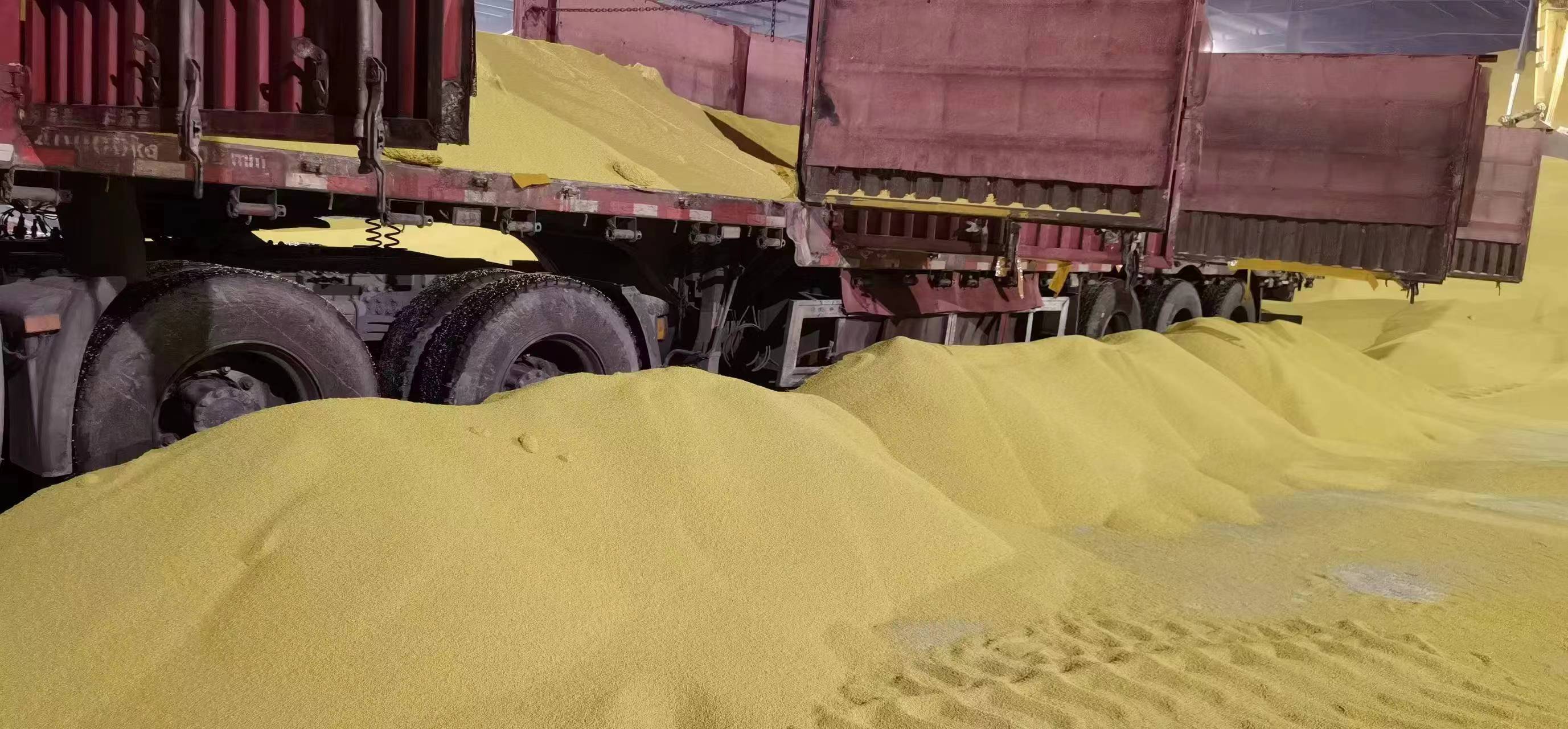
Compared to single-nutrient or less concentrated fertilizers, MAP’s dual nitrogen-phosphorus delivery reduces the need for multiple applications—cutting labor and energy costs. Its stability and low hygroscopic nature lower storage losses, maximizing usable nutrient content.
From a sustainability viewpoint, MAP’s efficient nutrient uptake minimizes phosphate runoff—a major contributor to eutrophication in water bodies. Farmers can thus meet legislative limits while maintaining yield targets. This aligns with global moves toward greener agriculture through precision fertilization.
Whether cultivating rice, maize, or diverse vegetables, MAP adapts seamlessly to varied cropping systems. Its soluble form integrates well with fertigation or foliar feeding technologies, enhancing nutrient use efficiency.
Farm input advisors emphasize tailoring MAP application rates to growth stages and soil tests, ensuring optimal supply without excess—turning fertilizer investment into measurable returns.
.jpg)
Let every nutrient dollar you invest translate into tangible yield and quality improvements – from the field to the dinner plate.
.jpg)
Elevate your fertilization strategy with a proven product that merges science with pragmatic farming needs. Industrial grade MAP offers a reliable solution to optimize nutrient availability, promote healthier plants, and boost agricultural productivity sustainably.
.jpg?x-oss-process=image/resize,h_300,m_lfit/format,webp)
 98
|
98
|
 magnesium
Crop yield
Photosynthesis
Fertilization plan
Chlorophyll
magnesium
Crop yield
Photosynthesis
Fertilization plan
Chlorophyll
.jpg?x-oss-process=image/resize,h_300,m_lfit/format,webp) 188
|
Crop Nutrition
Soil Improvement
Ammonium sulfate
Disease resistance
Nitrogen Fertilizer
188
|
Crop Nutrition
Soil Improvement
Ammonium sulfate
Disease resistance
Nitrogen Fertilizer
.jpg?x-oss-process=image/resize,h_300,m_lfit/format,webp) 112
|
Ammonium sulfate
Chemical fertilizers
Agricultural applications
Industrial applications
Sustainable Agriculture
112
|
Ammonium sulfate
Chemical fertilizers
Agricultural applications
Industrial applications
Sustainable Agriculture
 503
|
import and export trade
B2B
fertilizer
Granular Ammonium Sulfate
high quality
World-renowned
Long-term cooperation
SSP
Single Superphosphate
503
|
import and export trade
B2B
fertilizer
Granular Ammonium Sulfate
high quality
World-renowned
Long-term cooperation
SSP
Single Superphosphate
 215
|
Technological innovation
Green
market expansion
Agricultural fertilizers
Market demand
Brand Building
215
|
Technological innovation
Green
market expansion
Agricultural fertilizers
Market demand
Brand Building

.jpg?x-oss-process=image/resize,m_fill,h_200,w_200/format,webp)











.jpg?x-oss-process=image/resize,m_fill,h_300,w_300/format,webp)

.jpg?x-oss-process=image/resize,m_fill,h_300,w_300/format,webp)
).jpg?x-oss-process=image/resize,m_fill,h_300,w_300/format,webp)
.jpg?x-oss-process=image/resize,m_fill,h_400,w_400/format,webp)

.jpg?x-oss-process=image/resize,m_fill,h_200,w_200/format,webp)
.jpg?x-oss-process=image/resize,m_fill,h_200,w_200/format,webp)