

"Global agricultural productivity is challenged by fertilizer inefficiencies, with conventional phosphate fertilizers losing up to 60% of nutrients due to soil fixation and leaching. Industrial-grade monoammonium phosphate represents a paradigm shift in nutrient delivery technology." — International Fertilizer Development Center, 2023 Report
Modern agriculture faces a critical paradox: despite applying record amounts of fertilizers, global nutrient use efficiency remains stubbornly low. Studies indicate that conventional phosphate fertilizers typically achieve only 15-20% utilization efficiency in alkaline soils, with even lower rates in acidic conditions. This inefficiency translates to billions of dollars in wasted resources annually and significant environmental impact through runoff and water pollution.
Traditional phosphate sources often struggle with solubility issues, resulting in uneven nutrient distribution and delayed availability to crops. In acidic soil conditions (pH below 5.5), phosphate ions readily bind to iron and aluminum oxides, becoming inaccessible to plant roots—a phenomenon known as "phosphate fixation" that can reduce nutrient availability by up to 70% within the first month of application.
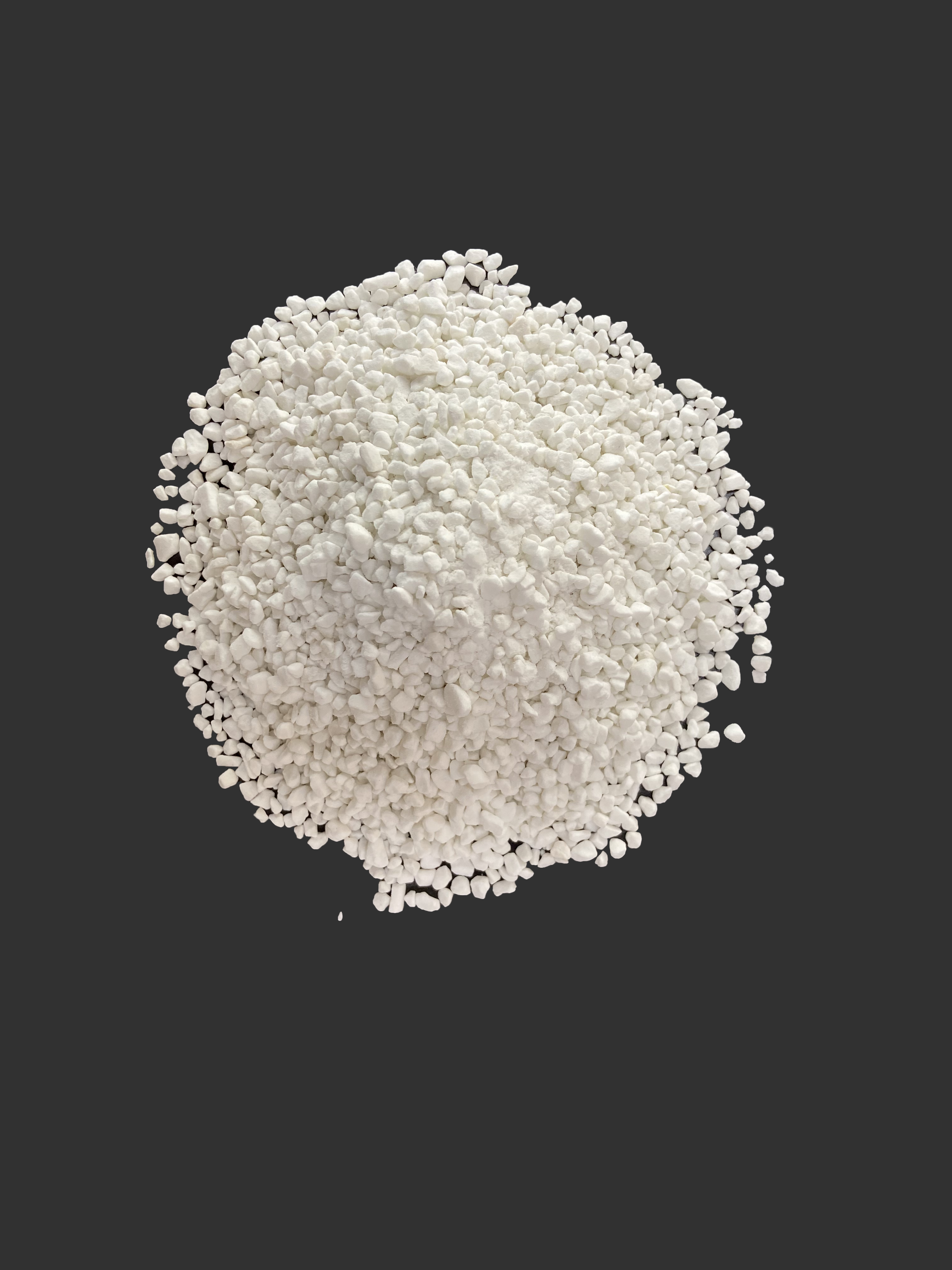
Industrial-grade monoammonium phosphate (MAP) distinguishes itself through its exceptional solubility profile, achieving dissolution rates exceeding 95% in standard water solutions—a significant advantage over traditional phosphate fertilizers which typically range from 60-85% solubility. This high solubility is achieved through advanced manufacturing processes that control crystal structure and particle size distribution, ensuring rapid nutrient release when applied to soil.
The chemical composition of MAP (NH₄H₂PO₄) provides an optimal nitrogen-to-phosphorus ratio (approximately 11-52-0 NPK), delivering both macronutrients in forms readily absorbable by plants. This dual-nutrient formulation eliminates the need for separate nitrogen and phosphorus applications, simplifying fertilization programs while reducing application costs by an estimated 15-20%.
Field trials conducted across major agricultural regions have consistently demonstrated the performance advantages of industrial-grade MAP:
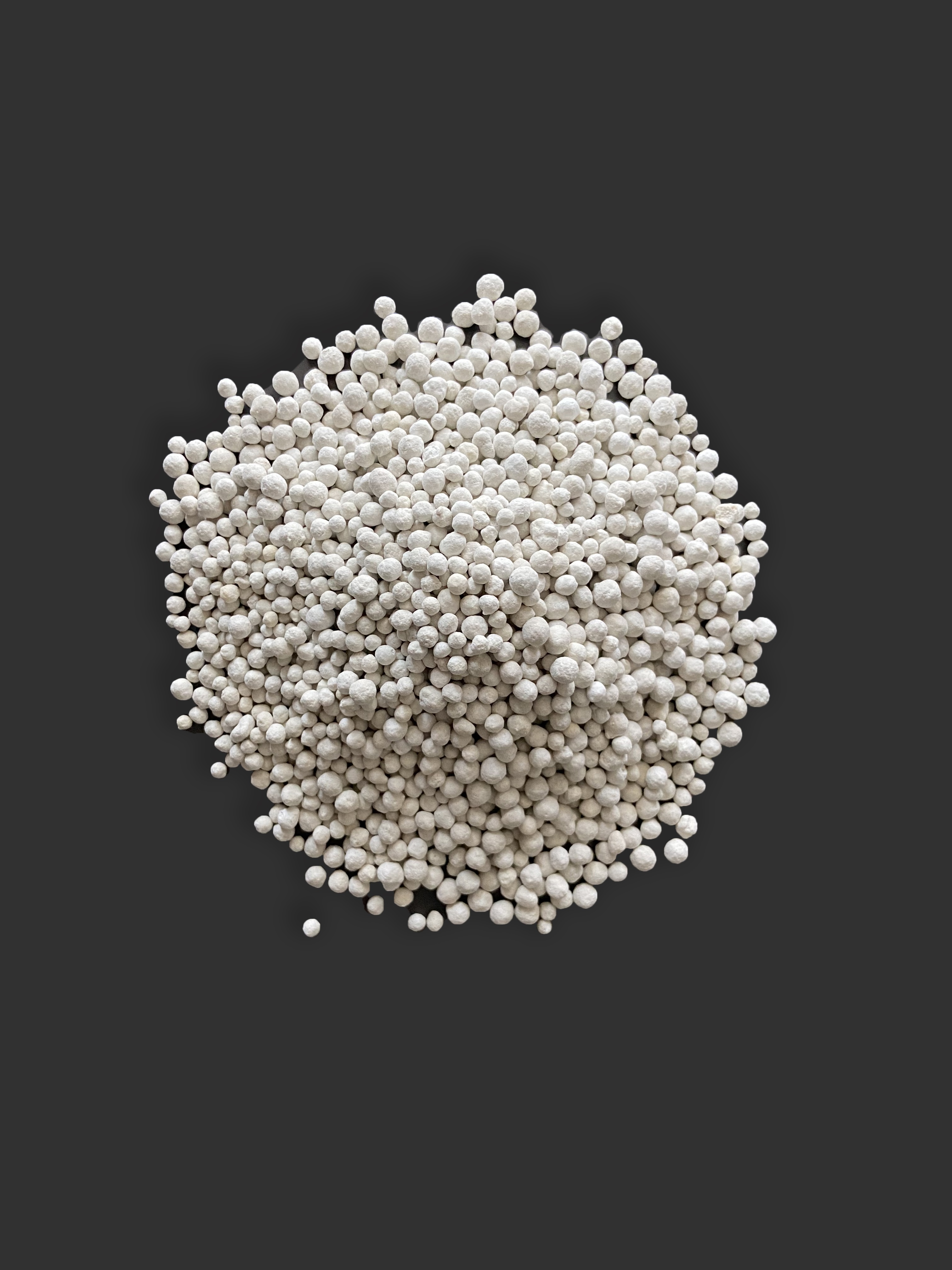
While industrial-grade MAP excels in acidic soil environments (pH 4.5-6.5), its benefits extend across the full spectrum of soil types. In alkaline soils (pH above 7.5), where phosphate availability is typically limited by calcium phosphate formation, MAP's unique chemistry maintains superior nutrient availability through controlled release mechanisms.
Trials in loamy soils showed MAP maintained 42% higher available phosphorus levels after 60 days compared to traditional phosphate sources. In sandy soils prone to nutrient leaching, MAP's efficient absorption properties reduced phosphorus loss by 37%, significantly lowering environmental impact while improving crop yields.
For optimal results with industrial-grade MAP:
Consistent performance requires rigorous quality control throughout the manufacturing process. Leading industrial-grade MAP producers implement comprehensive testing protocols, including solubility analysis, particle size distribution, and impurity screening. These quality control measures ensure product uniformity, with solubility guaranteed to exceed 95% across all production batches.
The result is a fertilizer product that delivers predictable performance across diverse agricultural environments, supporting everything from small-scale specialty crops to large-scale commodity production. This reliability has made industrial-grade MAP the preferred choice for precision agriculture systems, where nutrient delivery accuracy is critical to maximizing yields while minimizing environmental impact.
.jpg)
Experience the difference that superior solubility can make in your fertilization program. Industrial-grade MAP represents the future of precision nutrient delivery—enhancing crop health from the roots up while improving your bottom line.
Discover Your Scientific Fertilization SolutionAs agricultural producers face increasing pressure to enhance productivity while minimizing environmental impact, the choice of fertilizer becomes a critical strategic decision. Industrial-grade monoammonium phosphate offers a proven path to improved nutrient use efficiency, healthier crop development, and more sustainable farming practices. By addressing the fundamental challenge of nutrient availability through superior solubility, this advanced fertilizer technology helps bridge the gap between agricultural productivity and environmental stewardship.
Farmers who have transitioned to industrial-grade MAP report not only yield improvements of 10-15% in many crops but also noticeable improvements in crop quality parameters such as protein content in grains and shelf life in horticultural products. These quality enhancements further contribute to the economic benefits of adopting this advanced fertilization approach.

 379
|
379
|
 magnesium
plant growth
Photosynthesis
Nutritional Value
Ecological benefits
Environmental pressure
Agricultural Production
Chlorophyll
magnesium
plant growth
Photosynthesis
Nutritional Value
Ecological benefits
Environmental pressure
Agricultural Production
Chlorophyll
 329
|
Monoammonium phosphate
market expectation
Global Agriculture
329
|
Monoammonium phosphate
market expectation
Global Agriculture
 440
|
High efficiency potash fertilizer
Muriate of Potash Granular
Crop Growth
423
|
Potassium chloride powder
Water solubility characteristics
Agricultural fertilizers
Chemical properties
Solubility studies
440
|
High efficiency potash fertilizer
Muriate of Potash Granular
Crop Growth
423
|
Potassium chloride powder
Water solubility characteristics
Agricultural fertilizers
Chemical properties
Solubility studies
 280
|
Cyclic Fluctuations
supply chain
Price Trends
Environmental Policy
Ammonium sulfate
Market demand
280
|
Cyclic Fluctuations
supply chain
Price Trends
Environmental Policy
Ammonium sulfate
Market demand


.jpg?x-oss-process=image/resize,m_fill,h_200,w_200/format,webp)













.jpg?x-oss-process=image/resize,m_fill,h_300,w_300/format,webp)

.jpg?x-oss-process=image/resize,m_fill,h_300,w_300/format,webp)
.jpg?x-oss-process=image/resize,m_fill,h_400,w_400/format,webp)

.jpg?x-oss-process=image/resize,m_fill,h_200,w_200/format,webp)
.jpg?x-oss-process=image/resize,m_fill,h_200,w_200/format,webp)
.jpg?x-oss-process=image/resize,m_fill,h_200,w_200/format,webp)
.jpg?x-oss-process=image/resize,m_fill,h_200,w_200/format,webp)