In an era where agricultural productivity faces unprecedented challenges from climate change and growing food demand, the efficiency of nutrient delivery has become paramount. Industrial-grade monoammonium phosphate (MAP) has emerged as a cornerstone in modern fertilization strategies, offering unique properties that address the critical need for precise nutrient availability. This technical analysis explores how the high solubility characteristics of industrial MAP translate into tangible benefits for crop production systems worldwide.
Industrial-grade monoammonium phosphate represents a concentrated source of phosphorus (P) and nitrogen (N), typically containing 11-12% nitrogen and 48-52% phosphorus pentoxide (P₂O₅). This nutrient ratio (approximately 1:4 N:P) aligns with the early growth stage requirements of most crops, making it particularly valuable during germination and root development phases.
Unlike agricultural-grade alternatives, industrial MAP undergoes additional purification processes that achieve solubility levels exceeding 99% in water at standard temperature (20°C). This exceptional solubility profile distinguishes it from other phosphate fertilizers such as diammonium phosphate (DAP) or triple superphosphate (TSP), which typically exhibit solubility rates 15-20% lower under identical conditions.

The solubility advantage of industrial MAP manifests in several critical efficiency gains throughout the fertilization process. Laboratory studies demonstrate that under standard irrigation conditions, industrial MAP achieves 90% nutrient release within the first 30 minutes of application, compared to 40-60% for conventional phosphate fertilizers. This rapid dissolution translates directly to improved nutrient uptake efficiency.
This efficiency is particularly evident in precision agriculture systems, where controlled nutrient delivery is essential. Research conducted at the International Fertilizer Development Center (IFDC) showed that drip irrigation systems using industrial MAP achieved 22% higher phosphorus utilization efficiency compared to broadcast application methods, resulting in significant cost savings and environmental benefits.
Industrial MAP demonstrates exceptional performance across diverse soil conditions, addressing a major challenge in global agriculture. In acidic soils (pH < 5.5), its buffered formulation helps moderate rhizosphere pH, maintaining optimal phosphorus availability. Field trials in Brazil's Cerrado region showed that industrial MAP maintained 65% phosphorus availability after 60 days in acidic Oxisol soils, compared to 38% for conventional phosphate fertilizers.
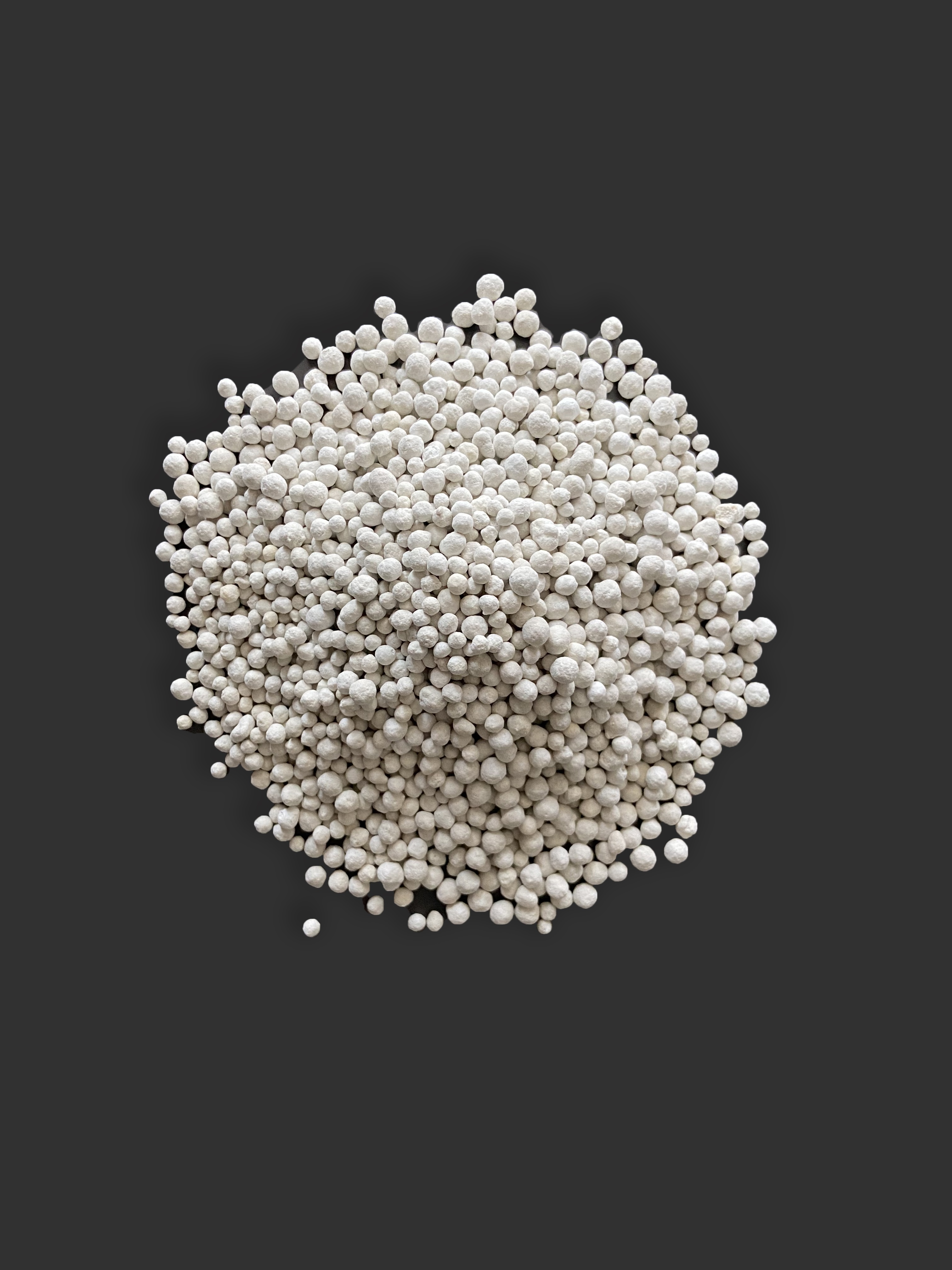
Similarly, in calcareous soils with high pH, industrial MAP's unique chemical structure resists rapid fixation by calcium and magnesium ions, extending the window of nutrient availability. This adaptability makes it a versatile solution for farmers operating across variable soil conditions, reducing the need for soil-specific fertilizer formulations.
The agronomic benefits of industrial MAP extend beyond nutrient availability to measurable improvements in crop health and yield. Controlled studies with major crops have documented consistent performance enhancements:
| Crop Type | Root Development Increase | Disease Resistance Improvement | Yield Enhancement |
|---|---|---|---|
| Corn | 27% | 18% reduction in stalk rot | 12-15% |
| Soybeans | 31% | 23% reduction in phytophthora | 9-11% |
| Wheat | 22% | 15% reduction in take-all disease | 8-10% |
These improvements stem from the synchronized availability of nitrogen and phosphorus at critical growth stages. The rapid nutrient uptake supported by industrial MAP's solubility profile promotes earlier root establishment, enabling crops to access water and nutrients more effectively throughout the growing season.
Industrial MAP production involves rigorous quality control measures that ensure consistent nutrient content and physical properties. Leading manufacturers implement ISO 9001-certified processes that maintain particle size uniformity within 2-4mm diameter range, ensuring optimal flow characteristics and blending performance.
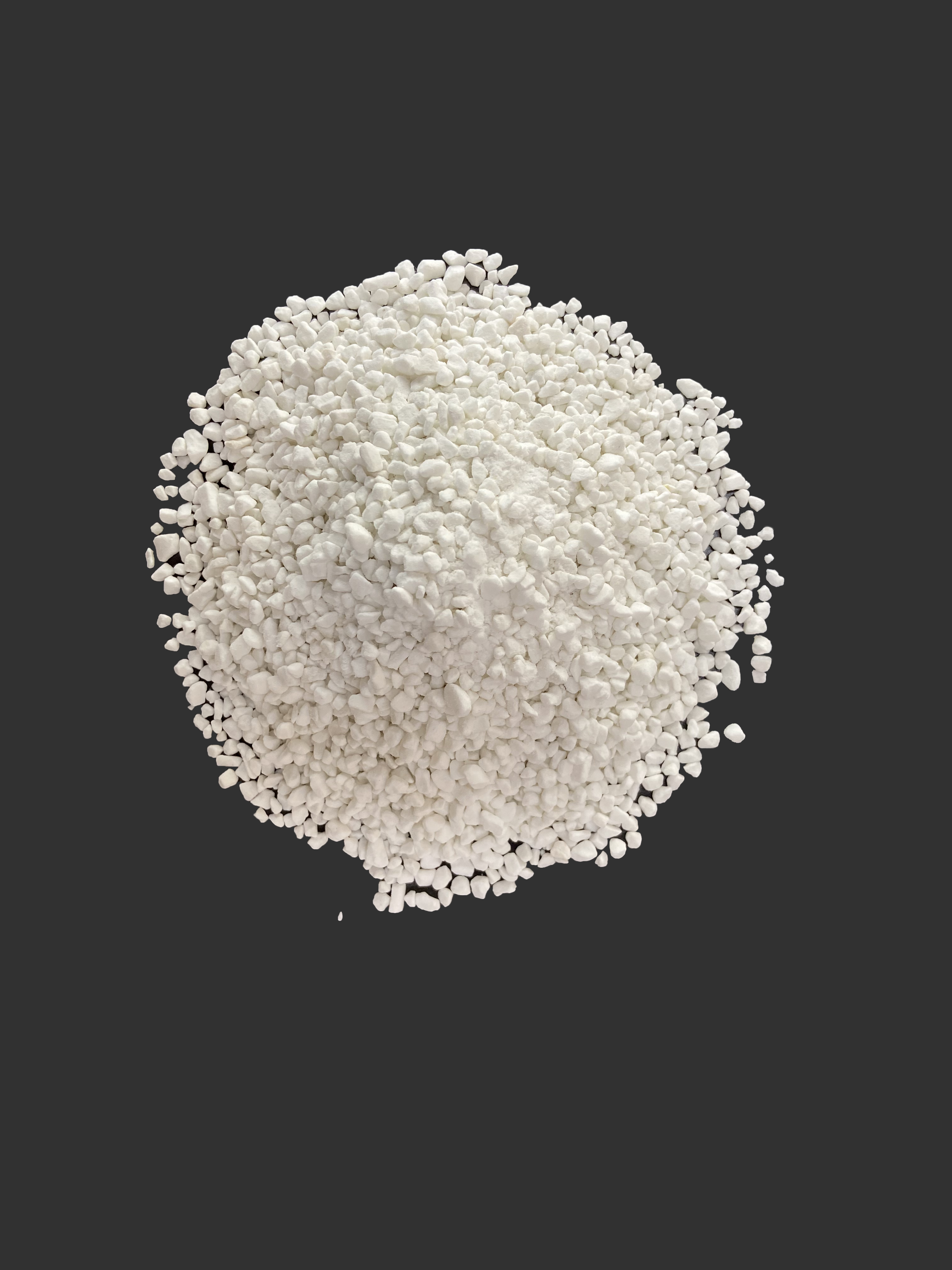
Stability testing under accelerated aging conditions (40°C, 85% relative humidity) confirms that industrial MAP maintains its nutrient integrity for a minimum of 18 months when stored properly, significantly reducing product waste and ensuring reliable performance across global supply chains.
The unique properties of industrial MAP make it particularly well-suited for contemporary agricultural practices. In precision agriculture systems, its solubility characteristics enable accurate nutrient delivery through variable rate application technologies. When integrated with soil testing and crop modeling, farmers can achieve precise nutrient management that matches crop requirements throughout the growing season.
For large-scale agricultural operations, industrial MAP's handling characteristics—including low dust formation and consistent flowability—reduce equipment maintenance requirements and improve application efficiency. These operational benefits, combined with its agronomic advantages, contribute to an overall lower total cost of ownership compared to conventional phosphate fertilizers.
Discover how industrial-grade monoammonium phosphate can enhance your crop productivity while reducing environmental impact. Our technical specialists provide personalized recommendations based on soil conditions, crop type, and agricultural practices.
Request Technical ConsultationAs agricultural systems continue to evolve toward greater efficiency and sustainability, the role of high-quality nutrient sources becomes increasingly important. Industrial-grade monoammonium phosphate represents not merely a fertilizer, but a critical component in the broader strategy to meet global food security challenges through optimized nutrient management. Its ability to deliver essential nutrients efficiently across diverse growing conditions positions it as a valuable tool for farmers seeking to balance productivity, economic viability, and environmental stewardship.
.jpg?x-oss-process=image/resize,h_300,m_lfit/format,webp)
 300
|
300
|
 Ingredients Ratio
Particle uniformity
Compound Fertilizer
Solubility
Brand Reputation
Ingredients Ratio
Particle uniformity
Compound Fertilizer
Solubility
Brand Reputation
.jpg?x-oss-process=image/resize,h_300,m_lfit/format,webp) 170
|
Potassium sulfate
Fertilizer effectiveness
Soil Improvement
Plant Nutrition
170
|
Potassium sulfate
Fertilizer effectiveness
Soil Improvement
Plant Nutrition
 155
|
Granular Ammonium Sulfate (Caprolactam Grade)
agricultural fertilizer
high crop yield
155
|
Granular Ammonium Sulfate (Caprolactam Grade)
agricultural fertilizer
high crop yield
 301
|
Product Comparison
User Selection
Best Choice
Market analysis
Consumer Guide
301
|
Product Comparison
User Selection
Best Choice
Market analysis
Consumer Guide
 245
|
sustainable development
Instructions
High quality nitrogen fertilizer
Effect
Agricultural Production
Element
245
|
sustainable development
Instructions
High quality nitrogen fertilizer
Effect
Agricultural Production
Element
%20Real%20object%20shooting-1.png?x-oss-process=image/resize,m_fill,h_200,w_200/format,webp)
.jpg?x-oss-process=image/resize,m_fill,h_200,w_200/format,webp)











.jpg?x-oss-process=image/resize,m_fill,h_300,w_300/format,webp)
.jpg?x-oss-process=image/resize,m_fill,h_300,w_300/format,webp)
.jpg?x-oss-process=image/resize,m_fill,h_300,w_300/format,webp)

.jpg?x-oss-process=image/resize,m_fill,h_400,w_400/format,webp)

.jpg?x-oss-process=image/resize,m_fill,h_200,w_200/format,webp)
.jpg?x-oss-process=image/resize,m_fill,h_200,w_200/format,webp)