

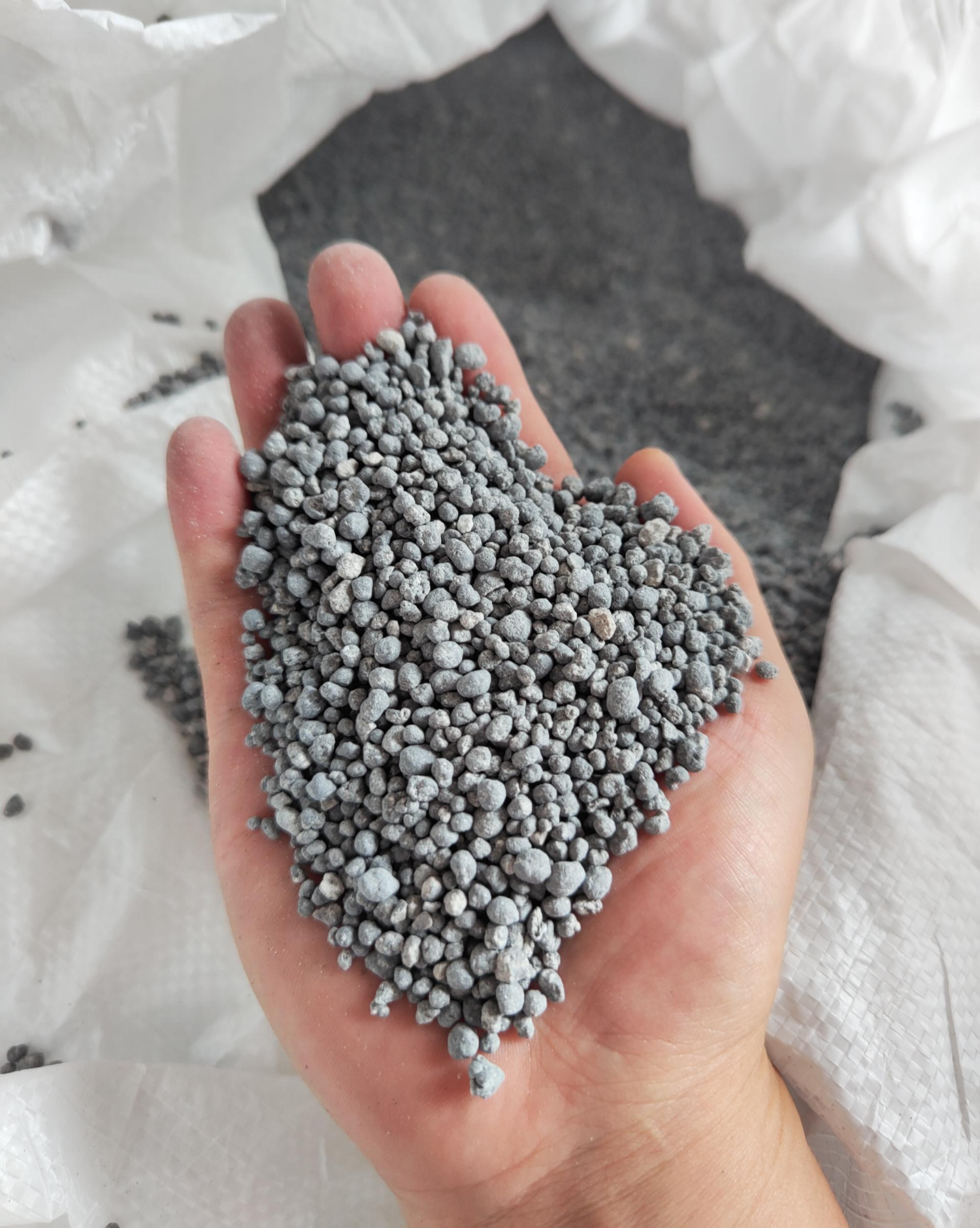
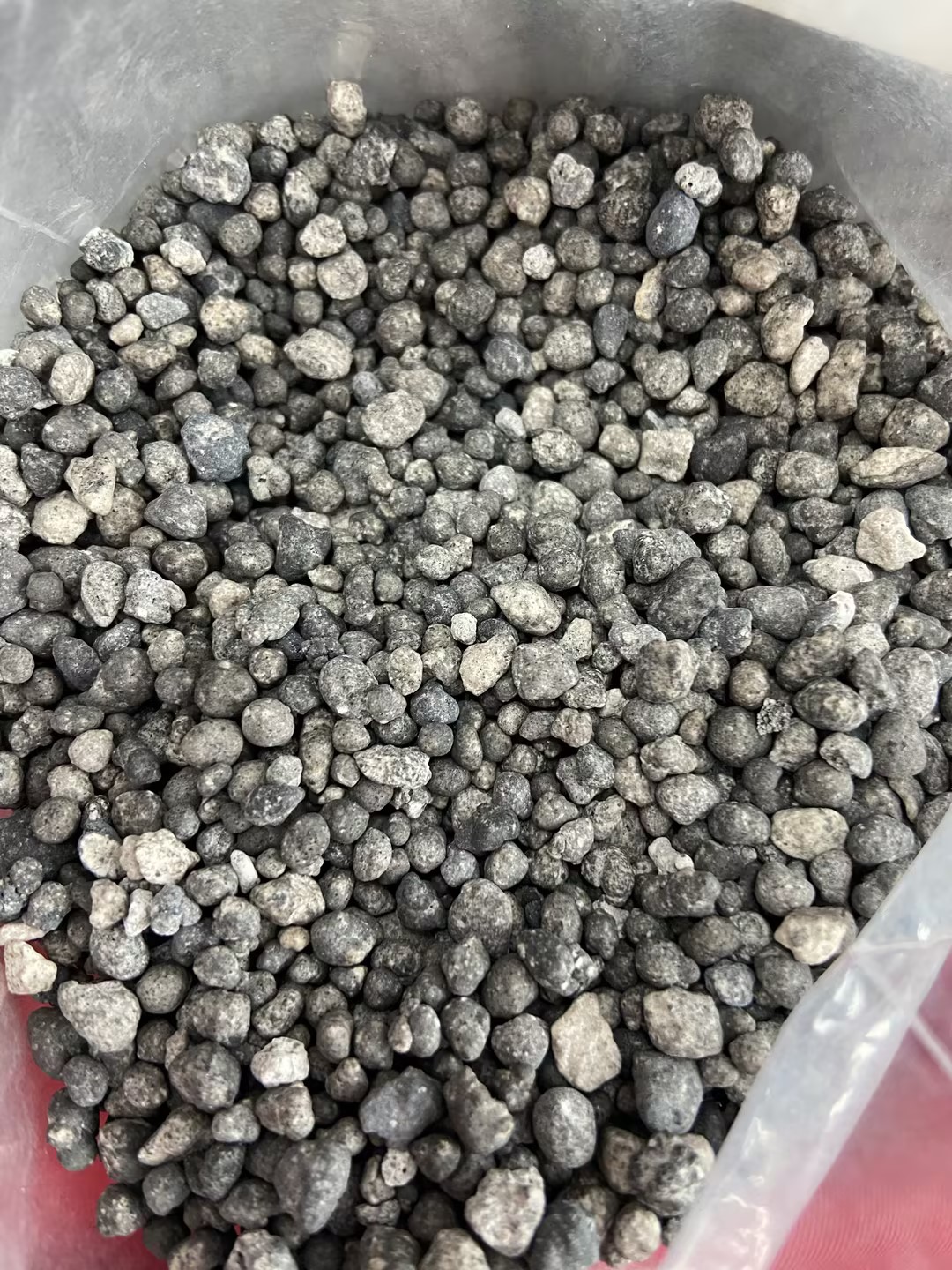
Monoammonium phosphate (MAP) stands as an essential high-efficiency phosphorus fertilizer extensively used in modern agriculture. Its superior nutrient composition, marked by a balanced supply of nitrogen (N) and phosphorus (P), excellent solubility, and the absence of chloride ions, makes it a preferred choice for farmers seeking to enhance crop performance sustainably. This article explores how MAP’s distinct properties interact with various soil types—acidic, alkaline, sandy soils—and provides data-driven recommendations for optimizing fertilization strategies to maximize root development, disease resistance, and yield quality.
Monoammonium phosphate typically contains approximately 11% nitrogen and 48% phosphorus pentoxide (P 2O 5). This high nutrient concentration ensures rapid nutrient availability due to MAP’s outstanding water solubility and stability. Unlike other phosphorus fertilizers that may introduce harmful chloride ions into the soil, MAP’s chloride-free nature safeguards soil microbial communities and plant roots from salt stress, promoting healthier crop growth.
Soil chemistry significantly influences phosphorus availability and uptake. In acidic soils (pH < 6), phosphorus tends to bind with aluminum and iron compounds, reducing its bioavailability. Alkaline soils (pH > 7.5) often precipitate phosphorus as calcium phosphates, which are less soluble. Sandy soils, characterized by low nutrient retention, present a challenge for phosphorus supply due to leaching. MAP’s high solubility and balanced nitrogen content provide a tailored solution across these variable conditions, allowing effective phosphorus accessibility alongside nitrogen support.
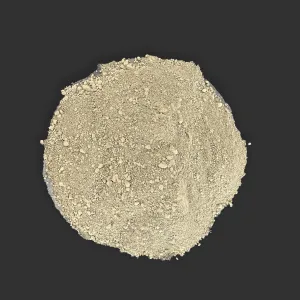
Monoammonium Phosphate (MAP) offers a high phosphorus concentration (48%) with ammonium nitrogen, promoting root vigor and early crop development without introducing chloride ions.
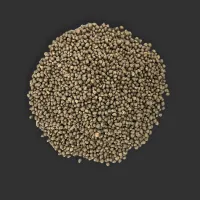
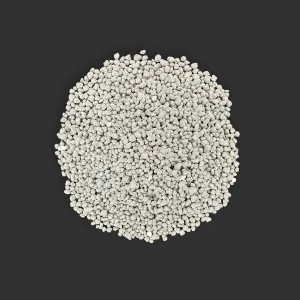
Single Superphosphate (SSP) Triple Superphosphate (TSP) Potassium Dihydrogen Phosphate (MKP)
Field trials across temperate zones demonstrate that crops fertilized with MAP consistently outperform those treated with alternative phosphorus sources. For example, wheat yield increased by 12-15% in acidic loam soil when switching from SSP to MAP, accompanied by improved root mass and disease resistance. Corn trials revealed a 10% yield boost and earlier tasseling with MAP application, attributed to optimal nitrogen-phosphorus synergy. Vegetable production, particularly tomatoes and leafy greens, benefited from enhanced fruit quality and shelf-life due to the chloride-free nutrient supply.
Soil analysis remains indispensable for devising precise MAP fertilization strategies. For acidic soils with pH below 6.0, an application rate of 60-80 kg/ha of MAP optimizes phosphorus availability and supports nitrification. Alkaline soils benefit from split MAP applications combined with micronutrients like zinc and iron to prevent phosphorus fixation. In sandy soils prone to nutrient leaching, frequent lower-dose MAP applications synchronized with irrigation improve nutrient use efficiency and minimize environmental losses.
| Soil Type | Recommended MAP Application | Expected Crop Response |
|---|---|---|
| Acidic Soil (pH < 6.0) | 60-80 kg/ha MAP + Liming as needed | Up to 15% increase in root development and yield |
| Alkaline Soil (pH > 7.5) | Split application of 50-70 kg/ha + trace elements | Improved phosphorus uptake and disease resistance |
| Sandy Soil (Low Nutrient Retention) | Frequent 20-30 kg/ha MAP doses with irrigation | Minimized nutrient leaching, steady growth rates |
Leveraging scientific testing ensures that every input dollar invested in MAP translates into tangible crop yield improvements — embodying the principle of "scientific fertilization, maximum return."
Beyond immediate yield gains, MAP fosters sustainable cultivation by supporting healthier soil microbial ecosystems due to its chloride-free profile. Regular MAP use reduces dependency on less efficient phosphorus sources, thereby lowering environmental phosphorus runoff risks and helping maintain soil health. Furthermore, the synergy between nitrogen and phosphorus in MAP applications enhances nutrient use efficiency, reducing the total amount of fertilizer needed annually — a crucial factor for cost-effective sustainable farming.
.jpg)

 433
|
433
|
 Ammonium sulfate granules
Nitrogen Fertilizer
Highly efficient absorption
Increased crop yields
Global Market
QC
High purity
Ammonium sulfate granules
Nitrogen Fertilizer
Highly efficient absorption
Increased crop yields
Global Market
QC
High purity
 73
|
Ammonium Sulfate Caprolactam Grade
enhance soil quality
premium nitrogen fertilizer
73
|
Ammonium Sulfate Caprolactam Grade
enhance soil quality
premium nitrogen fertilizer
.jpg?x-oss-process=image/resize,h_300,m_lfit/format,webp) 185
|
Crop quality
Agricultural Technology
sustainable development
185
|
Crop quality
Agricultural Technology
sustainable development
.jpg?x-oss-process=image/resize,h_300,m_lfit/format,webp) 79
|
Agricultural soil nutrients
Crop Growth
Sustainable Agriculture
227
|
Ammonium sulfate
Crop fertilization
Agricultural Nutrition
Crop Growth
Soil Improvement
79
|
Agricultural soil nutrients
Crop Growth
Sustainable Agriculture
227
|
Ammonium sulfate
Crop fertilization
Agricultural Nutrition
Crop Growth
Soil Improvement
).jpg?x-oss-process=image/resize,m_fill,h_200,w_200/format,webp)











.jpg?x-oss-process=image/resize,m_fill,h_300,w_300/format,webp)


.jpg?x-oss-process=image/resize,m_fill,h_400,w_400/format,webp)
.jpg?x-oss-process=image/resize,m_fill,h_200,w_200/format,webp)
.jpg?x-oss-process=image/resize,m_fill,h_200,w_200/format,webp)
.jpg?x-oss-process=image/resize,m_fill,h_200,w_200/format,webp)
.jpg?x-oss-process=image/resize,m_fill,h_200,w_200/format,webp)


