
.jpg?x-oss-process=image/resize,h_400,m_lfit/format,webp)
In the current agricultural scenario for rice and corn production, growers often face the challenge of nutrient deficiencies. Traditional fertilizers can no longer meet the high - demand of modern high - yield crops. The low nutrient content and slow - release features of some traditional fertilizers fail to provide timely and sufficient nutrients for crops. For example, 30% of rice fields and 25% of corn fields show symptoms of nitrogen and phosphorus deficiency, which directly affects crop growth and reduces yield.
.jpg)
As an expert in agricultural technology said, 'Monoammonium phosphate is a revolutionary fertilizer in modern agriculture. Its high - concentration nitrogen - phosphorus ratio and excellent solubility can quickly and effectively supplement nutrients for crops.'
Monoammonium phosphate has a high nutrient content, with a nitrogen content of about 11% and a phosphorus pentoxide content of about 44% - 52%. Its stability ensures that nutrients are not easily lost. Moreover, the absence of chloride ions makes it suitable for a wide range of soil types and crops, especially for chloride - sensitive crops such as rice and corn.
In a typical rice - growing area in [Region Name], two adjacent rice fields were selected for comparison. One field was fertilized with traditional fertilizers, and the other was fertilized with monoammonium phosphate. The application rate of monoammonium phosphate was 50 kg per hectare at the tillering stage. After the growing season, the rice plants in the field treated with monoammonium phosphate were on average 10 cm taller than those in the traditional fertilizer field. The number of grains per panicle increased by 15%, and the anti - lodging rate reached 90%, while that of the traditional field was only 75%. The yield increased by 20%.
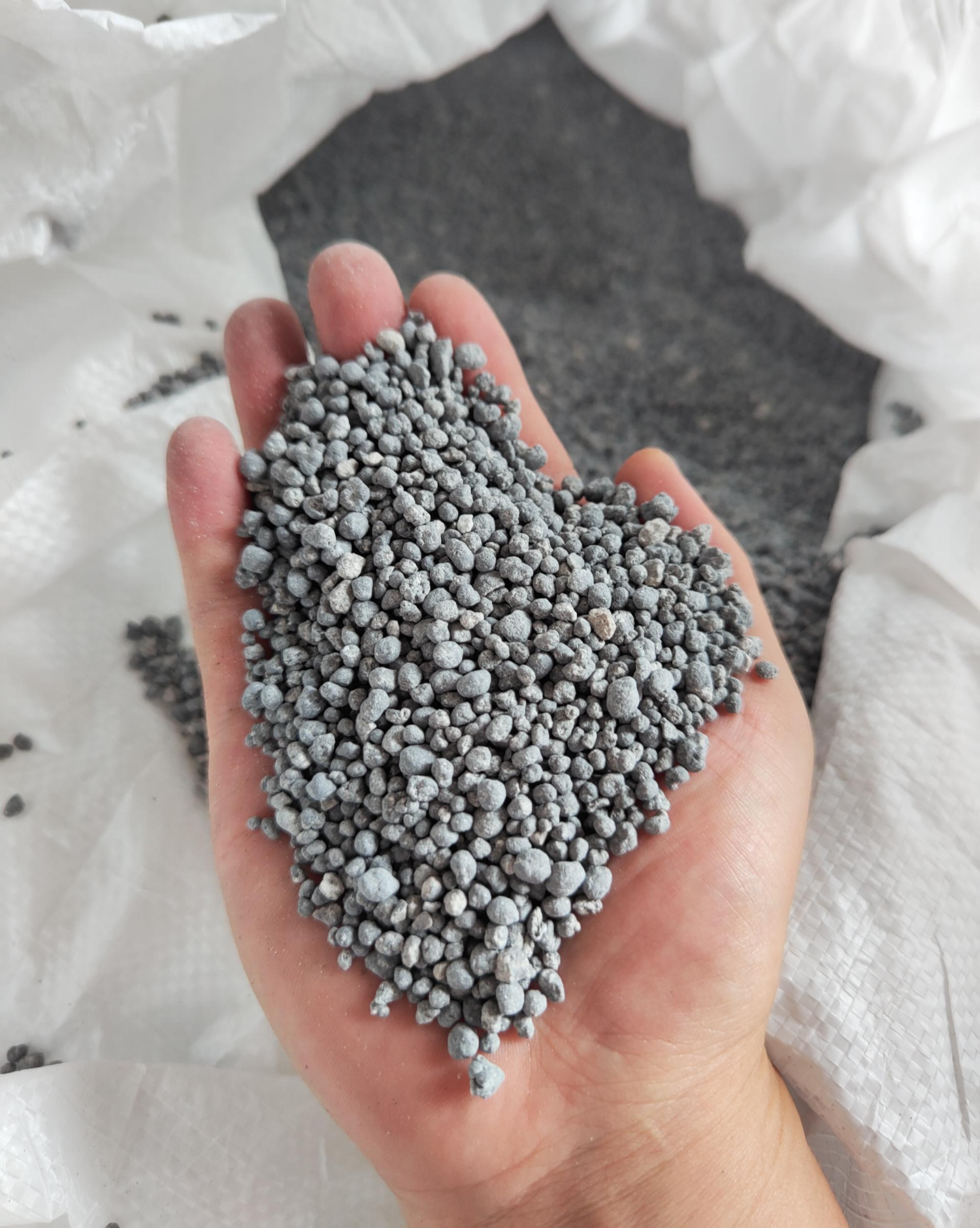
In a corn - growing area, a similar comparison was carried out. The application of monoammonium phosphate at 60 kg per hectare during the jointing stage led to more robust corn plants. The number of kernels per ear increased by 18%, and the yield increased by 22% compared to the traditional fertilization method. The corn also showed better resistance to diseases and pests.
Monoammonium phosphate has good adaptability in different soil types. In sandy soils, its high solubility helps nutrients penetrate quickly to the roots, reducing nutrient loss. In clay soils, the stability of its nutrients can ensure long - term nutrient supply. In acidic soils, it can also play a role in adjusting the soil pH to a certain extent, promoting better nutrient absorption by crops.
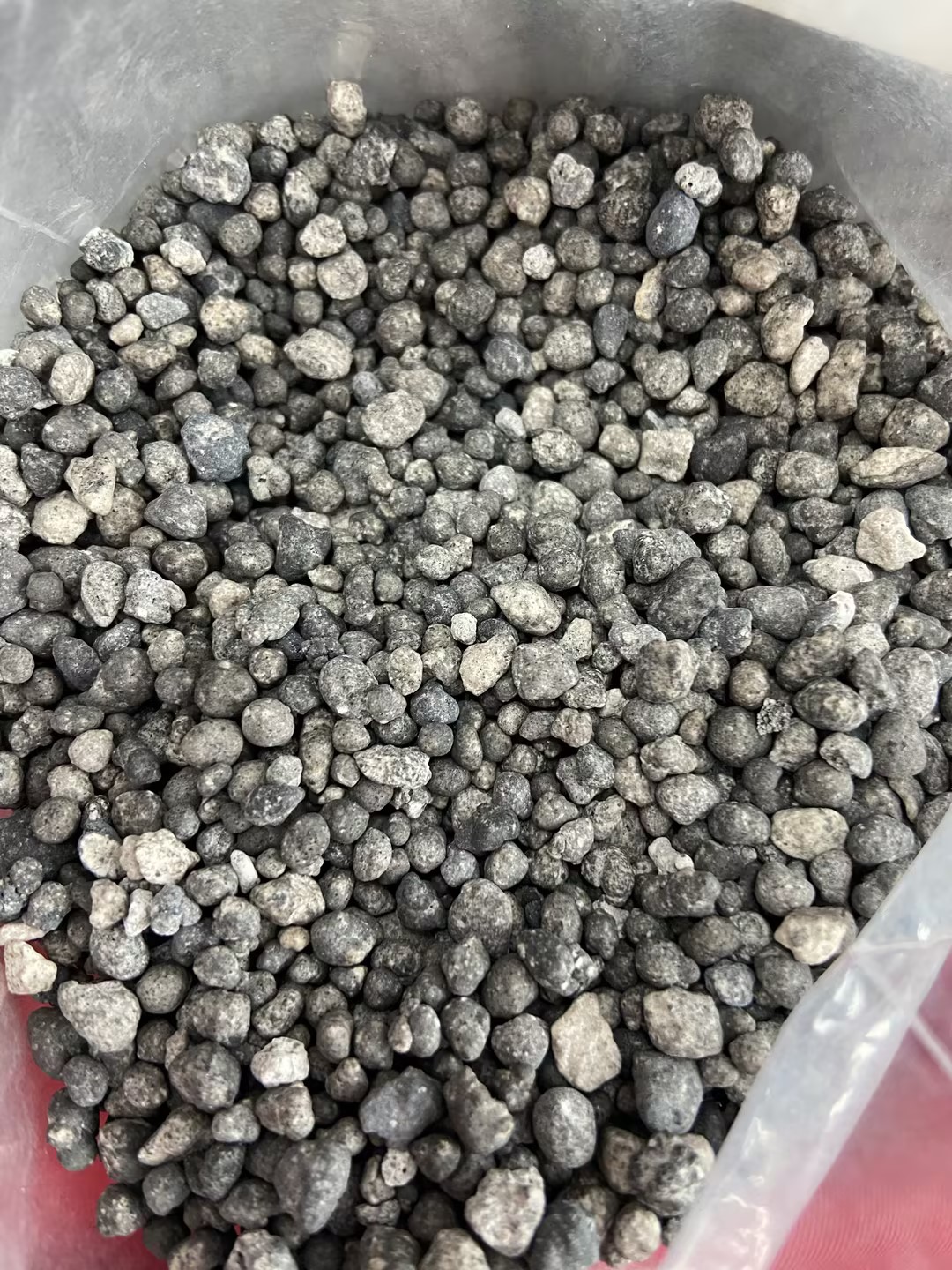
Combining monoammonium phosphate with water - fertilizer integration technology or foliar spraying can maximize its effectiveness. For water - fertilizer integration, it can ensure that nutrients are evenly distributed in the soil and are more easily absorbed by crops. Foliar spraying during the critical growth period of crops can quickly supplement nutrients, enhancing crop resistance and yield.
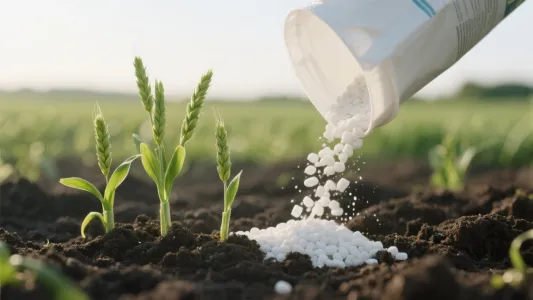
Monoammonium phosphate is a highly efficient input for modern agriculture. It can provide precise nutrition for every seed and help farmers win in the harvest season. With its high nutrient content, stability, and adaptability, it has great potential for sustainable development.
Your plot is suitable for using monoammonium phosphate? Click here to understand the applicable conditions and let your crops achieve maximum yields!
 151
|
151
|
 Deionized Ammonium Phosphate
DAP fertilizer
High - efficiency compound fertilizer
Crop yield increase
Agricultural fertilizer usage tips
Deionized Ammonium Phosphate
DAP fertilizer
High - efficiency compound fertilizer
Crop yield increase
Agricultural fertilizer usage tips
.jpg?x-oss-process=image/resize,h_300,m_lfit/format,webp) 105
|
High efficiency phosphate fertilizer
Environmentally friendly phosphate fertilizer
Increased crop yields
105
|
High efficiency phosphate fertilizer
Environmentally friendly phosphate fertilizer
Increased crop yields
 109
|
Ammonium sulfate
Nitrogen Fertilizer
Crop Nutrition
Soil Improvement
Plant disease resistance
109
|
Ammonium sulfate
Nitrogen Fertilizer
Crop Nutrition
Soil Improvement
Plant disease resistance
 398
|
potassium chloride
horticulture tips
398
|
potassium chloride
horticulture tips
.jpg?x-oss-process=image/resize,h_300,m_lfit/format,webp) 213
|
Environmental friendly
quality assurance
Industrial Applications
Caprolactam Grade
Ammonium sulfate granules
213
|
Environmental friendly
quality assurance
Industrial Applications
Caprolactam Grade
Ammonium sulfate granules













.jpg?x-oss-process=image/resize,m_fill,h_300,w_300/format,webp)
.jpg?x-oss-process=image/resize,m_fill,h_300,w_300/format,webp)
.jpg?x-oss-process=image/resize,m_fill,h_300,w_300/format,webp)
.jpg?x-oss-process=image/resize,m_fill,h_300,w_300/format,webp)
.jpg?x-oss-process=image/resize,m_fill,h_400,w_400/format,webp)
.jpg?x-oss-process=image/resize,m_fill,h_200,w_200/format,webp)


